
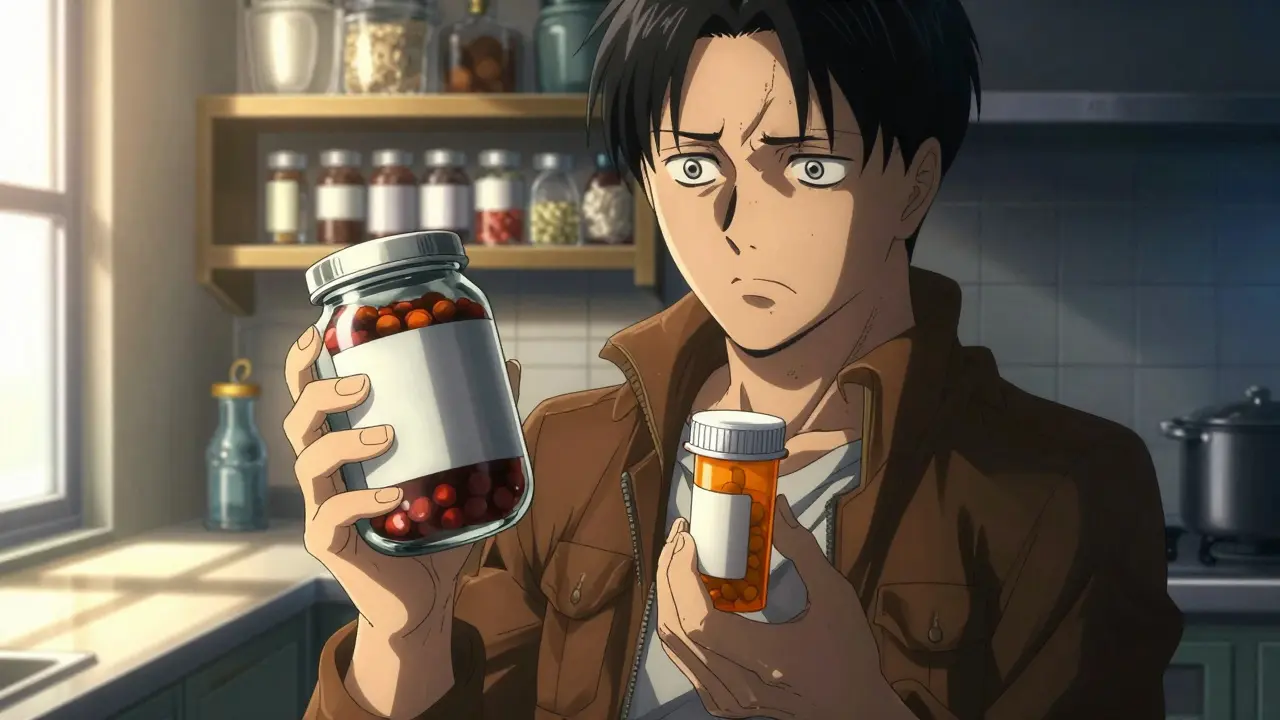
Many people assume that checking a label means looking for a single warning line, but the reality is far more complex than that. If you live with an allergy, reading labels isn't just a habit; it's a necessary skill that prevents dangerous reactions. You might know that peanut butter or milk can trigger symptoms, but what about the medicine bottle sitting on your nightstand? Research shows that while food labeling has strict laws, medications operate under different rules that often leave dangerous gaps.
In the United States, about 32 million people deal with food allergies, yet another 4 percent of adults face medication allergies that aren't always obvious. A study by Dr. Ruchi Gupta at Northwestern University noted that nearly 80 percent of food allergy reactions happen from products families thought were safe. That statistic hits hard when you realize how often we trust brands implicitly. Understanding the difference between regulated food allergens and unregulated medication ingredients is the first step toward staying safe.
The Difference Between Food and Medicine Regulations
You need to know that food and medicine don't play by the same rulebook. For packaged foods, the Food Allergen Labeling and Consumer Protection Act(FALCPA) is a federal law requiring clear declaration of major food allergens on labels sets the standard. Passed in 2004, this law made it mandatory for manufacturers to list specific allergens like milk, eggs, peanuts, tree nuts, wheat, soy, fish, and shellfish in plain language.
This system was updated significantly recently. The FASTER Act(Food Allergy Safety, Treatment, Education, and Research Act) expanded allergen labeling requirements to include sesame starting in January 2023 signed by President Biden, added the ninth major allergen to the list. This change alone forced hundreds of companies to reformulate or re-label products. However, these strict protections stop at the pharmacy counter.
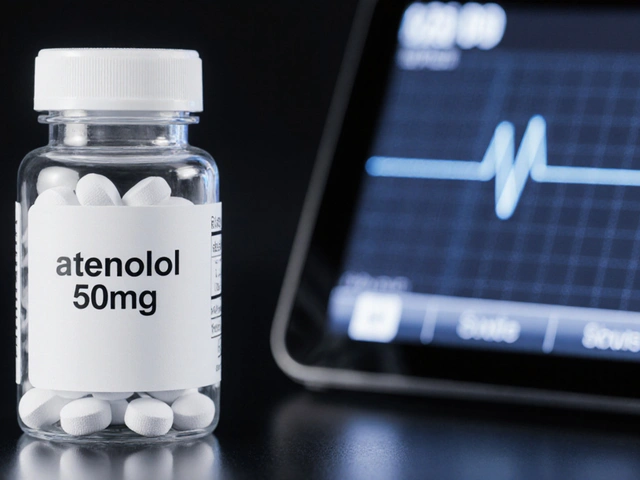
When you look at prescription drugs, the situation changes dramatically. There is no standardized system forcing pharmaceutical companies to declare common food-based allergens in their inactive ingredients. According to guidance from the FDA Center for Drug Evaluation and Research, medicines may contain derivatives like lactose (milk) or peanut oil without a bold warning on the front label. This regulatory gap creates a risk where a patient with a milk allergy could unknowingly ingest it through a tablet binder.
| Feature | Packaged Food | Medication |
|---|---|---|
| Governing Law | FALCPA & FASTER Act | Drug Labeling Guidelines |
| Major Allergens Listed | 9 Required (Including Sesame) | No Standard Requirement |
| Location on Package | "Contains" Statement Near Ingredients | Often Buried in Prescribing Info |
| Inactive Ingredients | Must Identify Allergens | Detailed Lists Rarely Visible |
Decoding the Food Label Format
Since food rules are stricter, learning to read them quickly can save time and anxiety. The Food and Drug Administration(FDA) is the agency responsible for enforcing safety standards for consumable goods in the U.S. requires two main formats for declaring allergens. First, you will see them inside the ingredient list itself, usually in parentheses right after a technical term. For example, instead of just listing "whey powder," the label might say "whey powder (milk)."
Second, and often easier to find, is the dedicated "Contains" statement. This usually sits immediately after the ingredient list. It looks something like this: "Contains: Milk, Soy, Almond." This section is non-negotiable for the nine major allergens. However, experts warn that smaller manufacturers sometimes miss these requirements. A compliance report showed that while 92 percent of major brands label correctly, smaller producers drop to around 76 percent accuracy.
You also need to watch out for specific species names. The law doesn't allow vague terms like "tree nut" to be used alone. You must see the specific kind, such as "pecan" or "walnut." For fish, "salmon" must be written instead of just "fish." This specificity helps because a person allergic to one shellfish species might tolerate another.
Navigating the Gray Area of Medicines
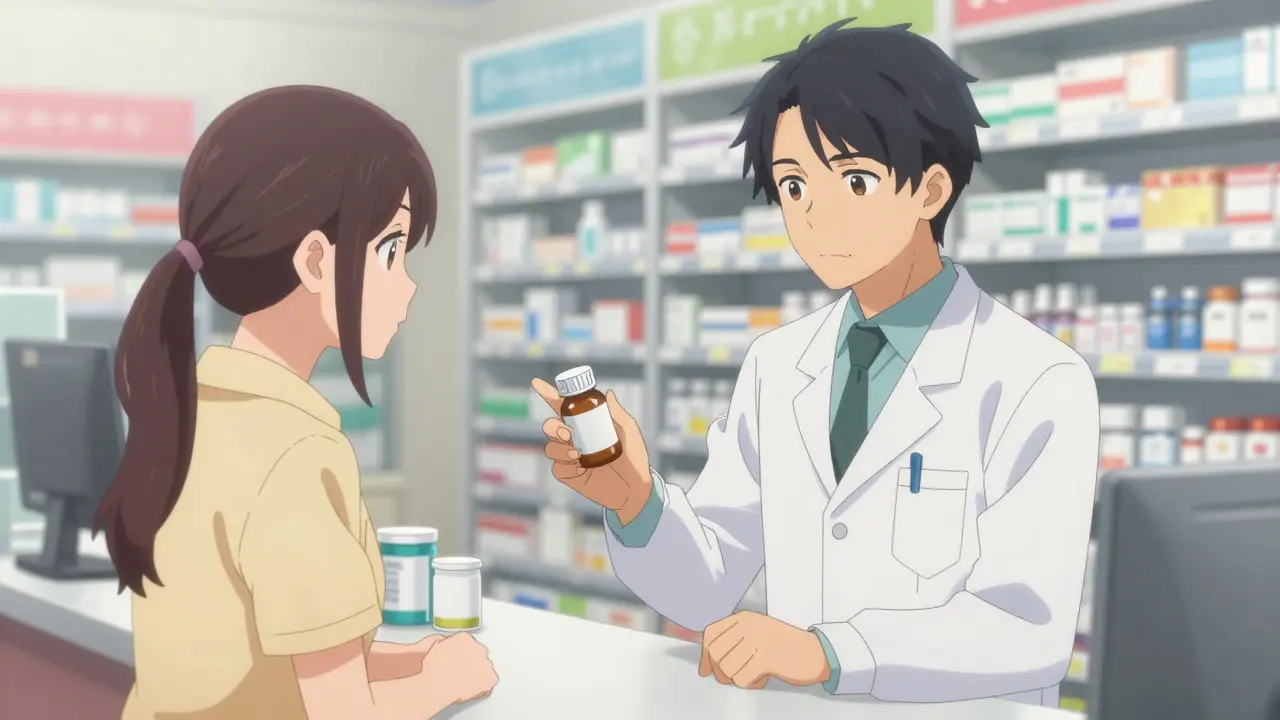
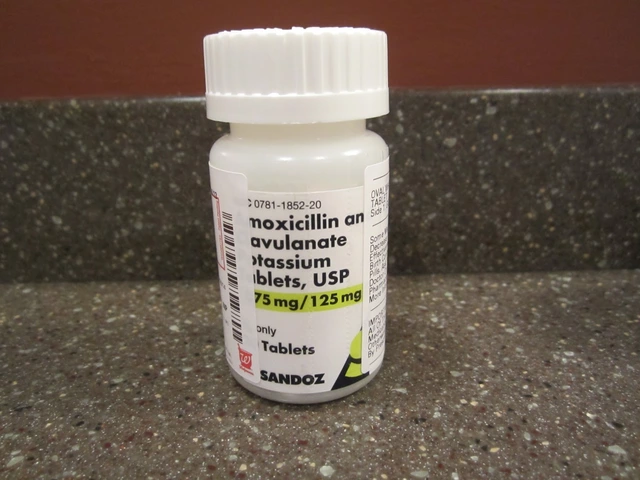
Moving back to prescriptions, the lack of standardization means you cannot rely on a simple scan. Inactive ingredients are fillers, binders, and coloring agents used to make the pill stable. While they do not cure the illness, they can cause anaphylaxis. Common culprits include Lactosea sugar derived from milk often used as a filler in tablets, gelatin (often from cow or pig sources), and soy lecithin.
The tricky part is that two generic versions of the same drug can have completely different inactive ingredients. One brand might use a cornstarch binder while another uses starch derived from wheat. This means switching pharmacies can suddenly introduce a new allergen into your routine. To address this, you should ask your pharmacist to provide the full excipient list every time you pick up a refill. They have access to the package insert that details these components.
Dr. Michael Daines at Banner Health emphasizes checking labels even for familiar products. Manufacturers frequently change formulations without notifying customers. About 28 percent of accidental exposures happen simply because a trusted brand swapped an ingredient for cost reasons. Do not assume that because a label looked safe last month, it will remain safe today.
A Systematic Approach to Label Scanning
Developing a routine cuts down on decision fatigue at the grocery store or pharmacy. The American College of Allergy, Asthma, and Immunology suggests a three-step process. Start by hunting for the "Contains" box. If it lists nothing you fear, move to the ingredient list to look for hidden forms.
- Scan for the Warning Box: Look for the bold text near the nutrition facts. This gives you a quick pass/fail on the major allergens.
- Read Parentheses: Ingredients like lecithin or dextrates often hide allergen origins. If lecithin comes from soy, it should say "lecithin (soy)" by law, but double-check.
- Check Advisory Statements: Phrases like "may contain" or "processed in a facility with" indicate cross-contact risk. These are voluntary, but treat them seriously.
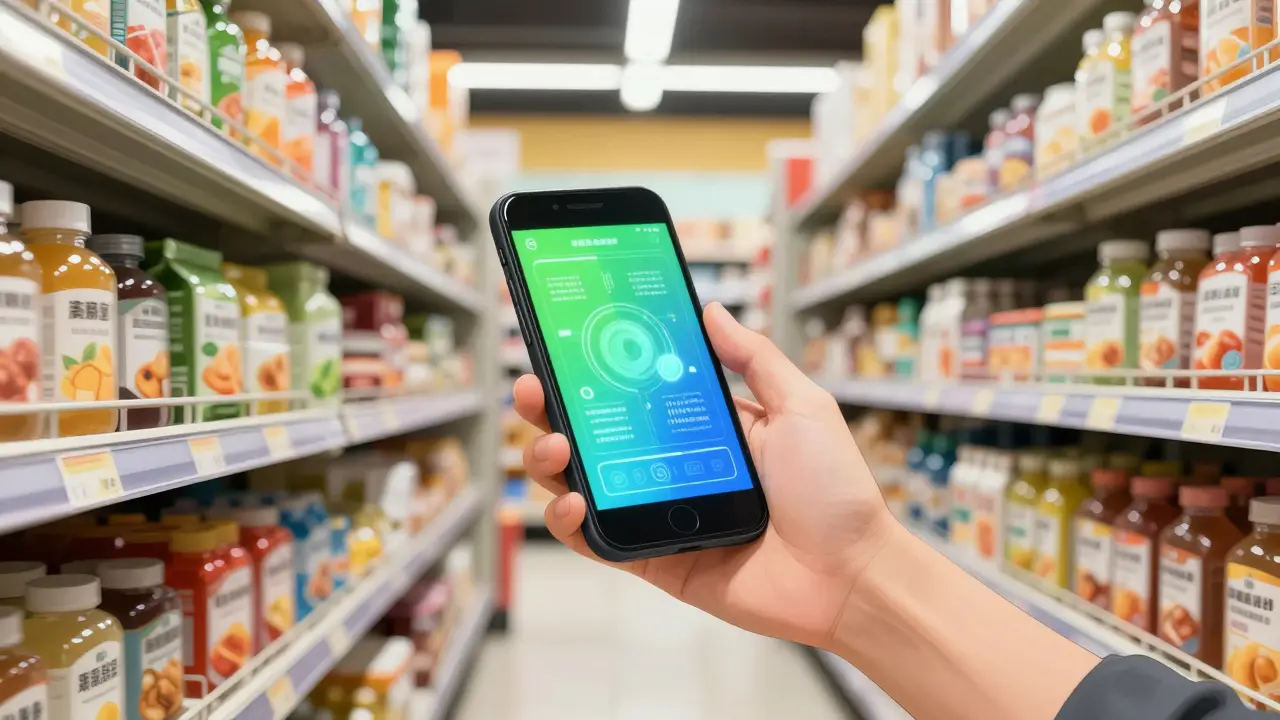
For medications, since there is no box, you must read the fine print on the bottle or consult the pharmacist. Some newer bottles now include QR codes linking to detailed safety sheets. Technology reports suggest a 300 percent growth in these digital solutions since 2020. Scanning a code on your phone can pull up the full manufacturing list much faster than deciphering microscopic text.
Pitfalls to Avoid When Reading Labels
Mistakes often come from trusting assumptions. Many consumers believe "natural flavors" are harmless. In reality, these blends can contain milk proteins or soy extracts that must still be declared under current regulations, though clarity varies. Another common error is confusing cross-contact warnings with intentional inclusion.
About 63 percent of shoppers misunderstand "may contain" statements. They assume the manufacturer put the allergen inside the mix, whereas it usually means machinery shared with allergen-containing products. It's a risk assessment, not a guarantee. International products pose another challenge. Imported goods sometimes follow foreign labeling laws that do not meet U.S. standards. A chocolate bar from Europe might omit specific allergen declarations that are mandatory here.
Finally, never ignore changes in packaging design. Sometimes a formula shift prompts a wrapper change. If the font color shifts or the layout tweaks, verify the contents before eating or taking the medicine. Staying vigilant means treating every batch as unique.
Technology and Future Labeling Trends
We are moving toward a future where smartphones help decode this information instantly. Apps utilizing optical character recognition can scan a barcode and highlight potential triggers in real-time. Beta tests show high accuracy rates for identifying hidden allergens. However, technology shouldn't replace human verification, especially for medications where errors carry higher risks.
Regulatory bodies like the Codex Alimentarius committee are working on global guidelines to finalize by late 2025. This aims to close the gap between international standards so travelers feel safer abroad. Within the U.S., the FDA has a strategic plan to reduce recalls by improving inspection frequency. While progress continues, the burden currently remains on the consumer to remain sharp and informed.
Is "May Contain" the same as "Contains"?
No. "Contains" confirms the allergen is in the product recipe. "May Contain" warns of potential cross-contact from shared machinery or facilities during processing.
Do generic medications have the same inactive ingredients?
Not necessarily. Different manufacturers use different binders and fillers, which can introduce new allergens like lactose or gluten even if the active drug is identical.
Was sesame always a labeled allergen?
Sesame became a legally required label disclosure in the United States on January 1, 2023, under the FASTER Act, joining the original eight major allergens.
Can natural flavors hide allergens?
Yes, flavorings can contain derivatives of milk, soy, or other allergens. While manufacturers should disclose this, careful reading is essential.
Who enforces allergen labeling rules?
The FDA enforces labeling for food and drugs, issuing warning letters to companies that fail to declare major allergens properly.






angel sharma
April 1, 2026 AT 02:49 AMIt is truly inspiring to see how much attention we pay to our own health and safety in daily life. We must understand that protecting ourselves is the greatest act of love we can show our families every single day. Reading labels carefully helps us build a fortress against the invisible threats lurking in our grocery aisles. Many people think they are safe but they do not realize how easily companies change formulations without warning us at all. We should take pride in knowing exactly what goes into our bodies before we consume anything. This knowledge empowers us to make better decisions for the children who depend entirely on our choices. Imagine the relief you feel when you spot a potential trigger and avoid a disaster completely. Your diligence creates a legacy of safety for future generations to follow closely. We can never rely solely on manufacturers to put our wellbeing above their profit margins unfortunately. Checking every single ingredient list is the only way to guarantee peace of mind consistently. Even the smallest detail like a binder in a tablet could cause a serious reaction unexpectedly. We must remain vigilant because complacency is the enemy of survival in this environment. Every scan of a label is a victory against the unknown risks hidden in plain sight. Let us stand together as informed citizens who refuse to be victims of negligence anymore. The world is full of hazards but we have the tools to navigate through them safely. Stay strong and keep reading those tiny words until you master the art.
Joey Petelle
April 1, 2026 AT 22:31 PMThe whole system is rigged against the common person anyway. Corporations lie about their ingredients while the government looks the other side. We are supposed to read microscopic text like some trained monkey on a leash. Freedom means taking responsibility but not being told what to eat constantly. It makes you wonder who really benefits from all this bureaucracy and rules. Probably not the little guy trying to buy bread without sneezing. Regulations only exist to protect the lawyers involved in the process mostly. People need to stop whining and learn to look things up themselves properly. Dependence on labels is a sign of weakness in modern society today. Just grow your own food if you cannot trust the store shelves.
Goodwin Colangelo
April 3, 2026 AT 14:25 PMYou picked a really good point about the pharmacy part of things. Many folks forget that medicine has different rules than food snacks. Always ask the pharmacist directly for the full breakdown sheet whenever possible. It takes two minutes but prevents a trip to the emergency room later on. Keep a card in your wallet listing your specific triggers for quick reference. Pharmacies appreciate when customers come prepared with knowledge and questions.
The Charlotte Moms Blog
April 4, 2026 AT 02:51 AMMoms need to be extra careful!!! It is dangerous to ignore the labels!!!! You should never trust anything you read on the box!! Check everything thoroughly instead!!!
Aysha Hind
April 4, 2026 AT 14:10 PMThey are hiding something deep down in those chemical names for sure. Companies know exactly what they are doing with binders and fillers. They want to hide the milk protein right under lactose sugar names intentionally. Follow the money trail when you see vague warnings on packaging. Trust nobody because the big suits always win against consumers eventually. Wake up and realize this is systemic control over our biology now.
Beth LeCours
April 6, 2026 AT 06:29 AMThis is way too much work.
Joseph Rutakangwa
April 7, 2026 AT 11:15 AMSimple steps help save lives
Will Baker
April 7, 2026 AT 18:50 PMYou guys sound like you live in a constant state of panic mode. Most people eat peanut butter and survive just fine without scanning every bar code. Living in fear ruins the actual experience of living life properly. Sometimes it is better to just eat the cookie and hope for the best outcome. Worrying this much is just exhausting your mental energy unnecessarily.
Dee McDonald
April 9, 2026 AT 00:11 AMThat attitude ignores the reality for millions suffering from severe allergies right now. One mistake ends up costing someone their airway instantly without warning signs. Ignorance is not a strategy when your immune system reacts violently to dust. We have to stay sharp because the consequences are physically permanent sometimes. Take the threat seriously instead of dismissing medical emergencies casually like that.
Lawrence Rimmer
April 10, 2026 AT 17:53 PMThe concept of trust is eroded everywhere in modern commerce deeply. When we scan a label we are essentially voting for transparency over convenience usually. It reflects our collective inability to verify safety claims made by authority figures blindly. Perhaps true freedom lies in rejecting the industrial complex entirely forever. We are trapped in a cycle of consumption dictated by corporate greed mostly. Philosophy aside the pill still kills you if you swallow the wrong thing.
Hudson Nascimento Santos
April 11, 2026 AT 11:19 AMThe dichotomy between regulated food and unregulated drugs highlights societal priorities clearly. We value taste far more than physiological integrity in many policy decisions. If the state mandates one set of rules but ignores another then consistency is lost entirely. True protection comes from individual consciousness rather than bureaucratic decrees alone. We must cultivate a mindset where safety is intrinsic to daily habits permanently. Technology aids us but cannot replace the human judgment required for survival. It is a philosophical battle between convenience and security playing out on the shelf.
Dipankar Das
April 11, 2026 AT 18:06 PMIt is mandatory that all individuals adhere to strict protocols regarding intake. Negligence leads to preventable fatalities which is unacceptable behavior. You must maintain high standards of vigilance in all procurement activities. Safety protocols are non-negotiable for anyone seeking longevity.