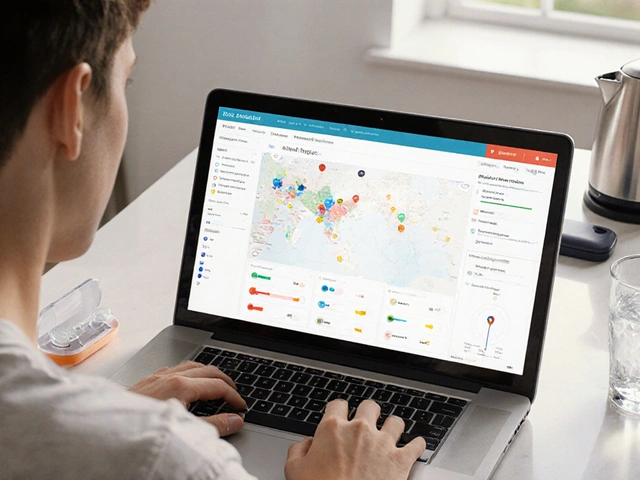
Imagine having a therapist in your pocket 24/7. For millions of people, that's no longer a sci-fi concept-it's just an app download away. Between the smartphone boom and the massive shift during the 2020 pandemic, Digital Mental Health is an ecosystem of technology-based platforms, including mobile apps and teletherapy, designed to provide wellness management and clinical treatment. It has fundamentally changed how we handle anxiety and depression, making support accessible to people who might never step foot in a traditional clinic.
But here is the catch: while the market is exploding-hitting roughly $7.48 billion in 2024-not all these tools are created equal. Some are clinically backed lifelines, while others are essentially fancy mood journals with no medical oversight. If you are looking for support, you need to know how to separate the genuine medical tools from the "wellness" fluff, and more importantly, where your most private thoughts are actually going once you hit 'send'.
The Current State of Mental Health Apps
Right now, there are over 20,000 mental health apps globally. Most of them fall into a few specific buckets. On one end, you have mindfulness giants like Calm and Headspace. These are great for stress reduction and sleep, but they aren't designed to treat clinical disorders. On the other end, you have AI-driven chatbots like Wysa and Youper, which use Cognitive Behavioral Therapy (CBT) techniques to help users reframe negative thoughts in real-time.
The big trend for 2026 is personalization. We've moved past generic "deep breathing" prompts. Modern apps now use AI to analyze your behavior patterns and mood tracking data. If the app notices you've been logging "low energy" for four days and your sleep has dropped, it doesn't just give you a quote-it adjusts your intervention plan. This level of digital mental health integration is why some users feel they have a personal coach guiding them through their day.
| Tool Type | Primary Goal | Clinical Validity | Best For... |
|---|---|---|---|
| Mindfulness Apps | Stress reduction & sleep | Low to Moderate | Daily wellness & relaxation |
| AI Chatbots | Symptom management (CBT) | Moderate (Varies by app) | Anxiety/Mood spikes |
| Teletherapy Platforms | Clinical treatment | High | Diagnosed disorders & deep work |
| Prescription Apps (DiGA) | Medical intervention | Very High (Regulated) | Reimbursable medical care |
Teletherapy: The Bridge to Professional Care
Teletherapy isn't just a Zoom call with a doctor; it's a systemic shift in how we deliver care. Platforms like BetterHelp and Talkspace have scaled the ability to match patients with licensed therapists quickly. For many, this removes the "geographic lottery" where the only good therapist in town has a six-month waiting list.
However, the business side of teletherapy can be frustrating. Many of these platforms use tiered pricing. You might find that the most vital therapeutic features-like instant messaging or priority scheduling-are locked behind premium subscriptions that can cost between $60 and $90 per week. This creates a weird tension where the goal is health, but the model is a subscription service.
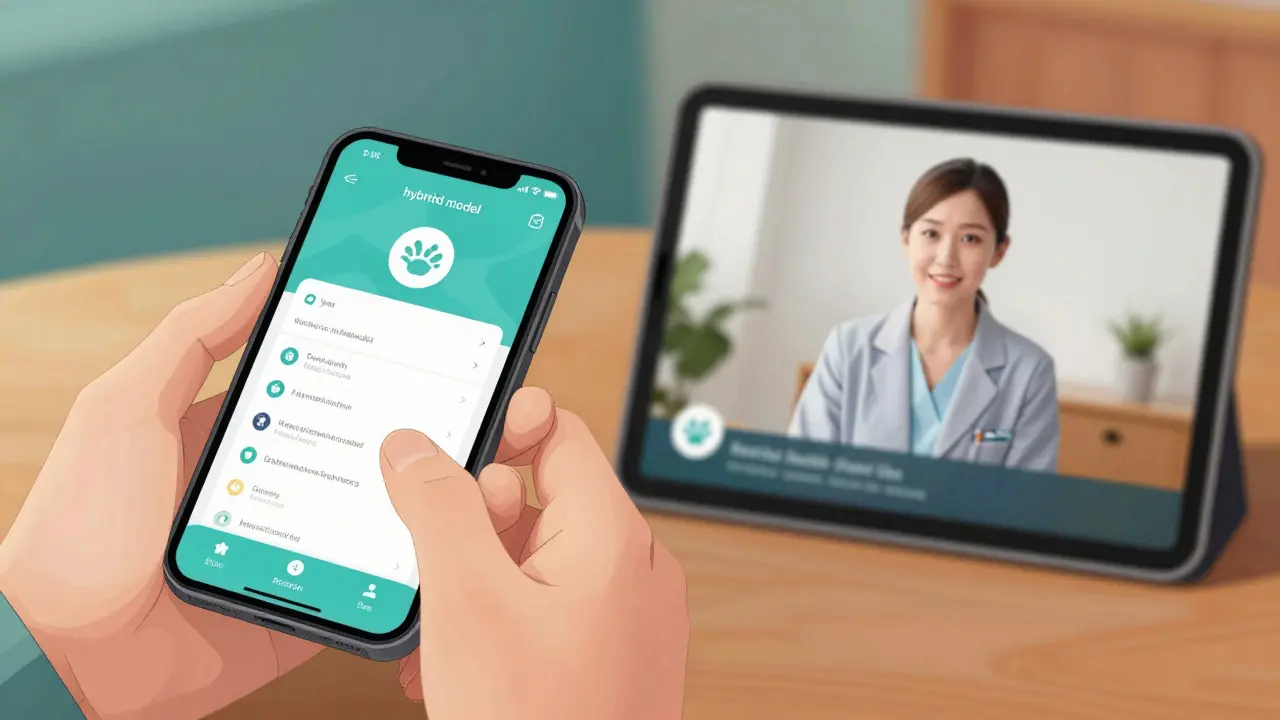
The most effective modern approach is the "hybrid model." Instead of choosing between an app and a human, users engage with self-guided app content between scheduled teletherapy sessions. Data shows this hybrid path has a 43% higher completion rate than using either method alone. It keeps the momentum going between appointments and gives the therapist real-time data on how the patient is doing.
The Dark Side: Privacy and Data Vulnerabilities
Here is the part that most people ignore until it's too late: your mental health data is incredibly valuable and incredibly sensitive. Unlike a traditional doctor's office, which is bound by strict laws like HIPAA in the US, many wellness apps operate in a legal gray area. They aren't "medical providers," so they aren't always bound by the same privacy standards.
A massive review of nearly 600 mental health apps found that 87% of them had significant privacy vulnerabilities. This means your mood logs, your trauma history, and your daily habits could potentially be shared with advertisers or third-party data brokers. When an app is free, your data is often the product. If an app asks for your email and location but doesn't have a clear, human-readable privacy policy, you're taking a gamble with your most intimate information.
To protect yourself, look for apps that explicitly mention end-to-end encryption and those that are clinically validated. In Germany, the DiGA (Digitale Gesundheitsanwendungen) framework is a gold standard. These apps must be approved by a federal body to ensure they actually work and protect data before they can be prescribed by doctors and reimbursed by insurance.
Overcoming the "App Fatigue" Hurdle
There is a reason your phone has five different mental health apps you haven't opened since 2023. It's called app fatigue. While the initial excitement of a new tool is high, adherence is often low. In some groups, especially young people, the completion rate for digital interventions is as low as 29.4%. We download them in a crisis, use them for a week, and then the notifications become just another source of stress.
The problem is usually a lack of systemic integration. An app that exists in a vacuum is easy to ignore. But when an app is part of a broader care plan-meaning your doctor actually sees the data and discusses it with you-the engagement skyrockets. The tool becomes a bridge to a human, not a replacement for one.
If you're struggling to stick with a digital tool, try these rules of thumb:
- Avoid "General" Apps: Look for tools targeted at your specific need (e.g., social anxiety vs. general stress).
- Set a Low Bar: Start with one 3-minute session a day rather than a 30-minute deep dive.
- Audit Your Privacy: If the app asks for permissions that don't make sense (like access to your contacts for a meditation app), delete it.

The Future of AI and Clinical Validation
Looking toward 2027, we expect a massive cleanup of the app store. Experts predict that only 15-20% of current mental health apps will survive the next few years. Why? Because regulatory requirements are tightening. The "wild west" era of wellness apps is ending, and clinical validation is becoming the only way to stay viable.
We are moving toward a world where 65% of apps will have direct referral pathways to licensed professionals. This means if an AI chatbot detects signs of severe clinical depression or suicidal ideation, it won't just suggest a breathing exercise; it will trigger an immediate, seamless hand-off to a human crisis counselor. This integration is the only way to solve the ethical dilemma of "digital dependence," where people rely on an algorithm for support they actually need from a professional.
Are mental health apps a replacement for traditional therapy?
Generally, no. While apps are excellent for skill-building (like learning CBT techniques) and maintaining wellness between sessions, they lack the nuanced emotional intelligence and diagnostic capability of a licensed therapist. They are best used as a supplement to, not a replacement for, professional care.
How can I tell if a mental health app is safe and private?
Check for three things: First, does the app comply with HIPAA or GDPR? Second, does it have a clear privacy policy that states it does not sell data to third parties? Third, is it clinically validated or approved by a health body (like the DiGA system in Germany)? If the app avoids these specifics, treat your data with caution.
What is the difference between a wellness app and a clinical app?
Wellness apps (like Calm) focus on general well-being, stress reduction, and sleep. They are designed for everyone. Clinical apps are designed to treat specific diagnosed conditions, such as Major Depressive Disorder or Generalized Anxiety Disorder, and usually involve peer-reviewed studies to prove their efficacy.
Why do so many people stop using these apps after a few weeks?
This is known as app fatigue. It happens because many apps have poor long-term engagement strategies, unmet user expectations, or feel too robotic. The highest retention is found in hybrid models where an app is paired with a human provider, creating a sense of accountability.
Is AI therapy actually effective?
AI chatbots can be very effective for "in-the-moment" support and teaching basic coping mechanisms. For example, Wysa has completed numerous clinical studies showing it can help manage low mood. However, they cannot provide the complex emotional processing or trauma work that a human therapist provides.
Next Steps for Your Digital Wellness Journey
If you're just starting out, don't download ten apps at once. Pick one tool that matches your current need-whether that's a mindfulness app for sleep or a teletherapy platform for deep work. If you have a diagnosed condition, talk to your healthcare provider about a hybrid approach. Ask them if there are clinically validated tools they recommend that can sync with your actual treatment plan.
For those in corporate environments, check if your HR department offers enterprise wellness solutions. These often provide a layer of privacy (anonymized data for the company) while giving you free access to premium tools that would otherwise cost $90 a week. Just remember: no matter how good the AI is, it's a tool, not a cure. Use the tech to open the door to health, but keep a human in the loop.