

Managing your heart health while living with HIV is a common part of long-term care. As people with HIV age, many need HIV medications with statins to keep their cholesterol in check and prevent cardiovascular disease. However, mixing these two types of drugs isn't always a simple "plug and play" situation. Some combinations can lead to dangerous side effects, while others are perfectly safe if the dose is right.
The core of the problem is how our bodies process these drugs. Many antiretroviral therapies (ART) use "boosters" to keep the main medication active in your system longer. While this is great for fighting the virus, these boosters can accidentally block the pathways your body uses to clear statins. When statins build up in your blood instead of leaving your system, the risk of muscle damage skyrockets.
Quick Summary: Safe Statin Use with HIV
- Avoid entirely: Simvastatin and Lovastatin are generally off-limits with protease inhibitors.
- Proceed with caution: Atorvastatin and Rosuvastatin often require strict dose limits.
- Generally safer: Pitavastatin and Pravastatin typically have fewer interactions.
- Watch for: Unexplained muscle pain, dark-colored urine, or extreme weakness.
- Key tool: Always use a dedicated interaction checker like the University of Liverpool database.
Why Some Statins and HIV Drugs Don't Mix
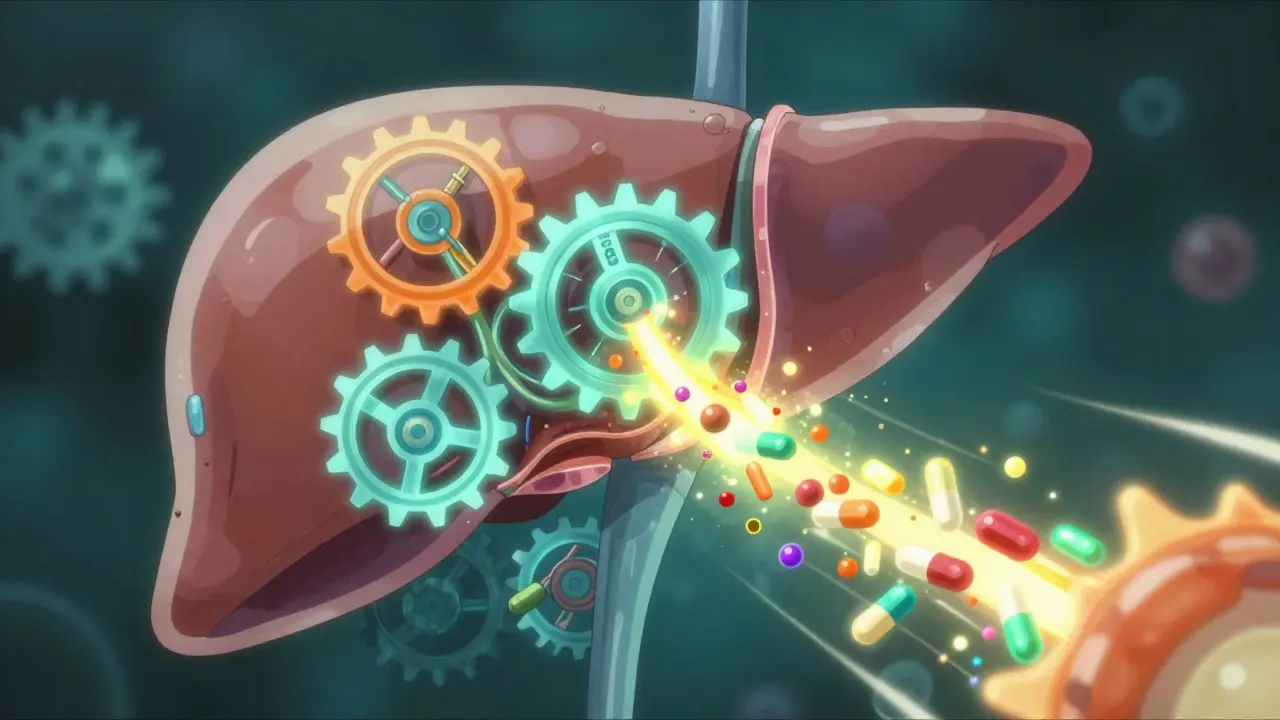
To understand the risk, you need to know about CYP3A4 is an enzyme in the liver responsible for metabolizing a vast number of medications, including several types of statins and HIV protease inhibitors . When you take a "pharmacokinetic booster" like Cobicistat or Ritonavir, these drugs intentionally shut down the CYP3A4 enzyme to keep your HIV meds at a high, effective level.
If you take a statin that relies on that same enzyme to leave your body, the statin gets trapped. For example, some combinations can increase the amount of statin in your blood by over 300%. This isn't just a theoretical risk; it can lead to a severe condition called Rhabdomyolysis is a life-threatening condition where muscle tissue breaks down and releases a protein called myoglobin into the blood, which can cause permanent kidney failure .
The "No-Go" List: Contraindicated Statins
There are some combinations that are simply too dangerous to try. Simvastatin (Zocor) and Lovastatin (Mevacor) are strictly contraindicated for anyone taking HIV protease inhibitors or cobicistat-containing regimens.
Why are these two so much worse? Because they are highly dependent on the metabolic pathways that HIV boosters block. In some cases, the concentration of these statins can increase up to 20-fold. This creates an unacceptable risk of severe muscle toxicity. If you are on a regimen like Symtuza or any protease inhibitor, these two statins should be completely avoided in favor of safer alternatives.
Making Safe Choices: Which Statin Should You Pick?
Not all statins are created equal. Some are processed by different enzymes or transporters, making them much safer to pair with ART. If you need a statin, your doctor will likely look at a hierarchy of safety based on your specific HIV regimen.
For those on modern Integrase Strand Transfer Inhibitors (INSTIs) is a class of antiretroviral drugs, including Bictegravir and Dolutegravir, that block the integrase enzyme to prevent HIV from inserting its DNA into the host cell , the news is generally good. These medications have very few interactions, meaning standard statin doses are often fine.
However, if you are on a boosted regimen, the choice becomes more technical. The following table breaks down the common options and their limitations.
| Statin Name | Risk Level | Typical Dose Limit | Clinical Note |
|---|---|---|---|
| Pitavastatin | Low | Standard | Minimal metabolic interaction. |
| Pravastatin | Low | Standard | Does not rely on CYP3A4. |
| Atorvastatin | Moderate | 20mg - 40mg | Requires low starting dose and titration. |
| Rosuvastatin | Moderate | 10mg | Exposure can increase 3-fold. |
| Simvastatin / Lovastatin | High | Avoid | Strictly contraindicated. |
Managing Side Effects and Monitoring
Even with a "safe" statin, you shouldn't just set it and forget it. Because the aging HIV population is more susceptible to side effects, a proactive monitoring plan is essential. You and your doctor should keep a close eye on a few specific markers.
First, watch for muscle symptoms. This isn't just the typical "soreness" you feel after a gym session; it's persistent aching or weakness in the large muscle groups. Second, periodic blood tests are necessary. Doctors typically check Creatine Kinase (CK) is an enzyme found in the heart, brain, and skeletal muscle that serves as a biomarker for muscle damage when levels are elevated in the blood and liver function tests to ensure the statin isn't putting too much stress on your organs.
It's also worth noting that other medications can complicate this mix. For example, if you have high blood pressure, certain calcium channel blockers (like felodipine) can further increase statin levels in your blood, adding another layer of risk. Similarly, if you're managing high triglycerides, using fenofibrate is generally preferred over gemfibrozil, as the latter can significantly increase statin toxicity.

The Danger of Long-Acting Injectables
The medical world is moving toward long-acting injectable ART, which is a huge win for quality of life. But these drugs introduce a new variable: the long half-life. Unlike a daily pill that leaves your system in a few days, an injectable stays active for weeks or months.
This means if you start a statin-or change your statin dose-while on an injectable, the interaction could last long after your last shot. Clinicians have to be much more cautious with timing and dosing because they can't simply "stop" the HIV medication to resolve a bad interaction quickly.
Practical Steps for Your Next Appointment
You don't need to be a pharmacist to keep yourself safe, but you should be your own best advocate. Since no doctor can memorize every single interaction-especially with thousands of possible combinations-using digital tools is the gold standard.
Before your next visit, write down every single thing you take. This includes over-the-counter vitamins, herbal supplements (like St. John's Wort), and even recreational drugs. Some of these can interact with the CYP450 system and either push your statin levels too high or make your HIV meds less effective.
Ask your provider: "Have we checked this specific statin dose against the University of Liverpool interaction database?" This ensures you're getting the most current, expert-backed guidance available.
Can I take any statin if I am on a non-boosted HIV regimen?
Generally, yes. If you are taking medications like Bictegravir or Dolutegravir (which aren't boosted by ritonavir or cobicistat), there are far fewer interactions. However, you should still consult your doctor and use an interaction checker to be certain about your specific combination.
What are the first warning signs of statin toxicity?
The most common signs are unexplained muscle pain, tenderness, or weakness. More severe signs include very dark, tea-colored urine (a sign of myoglobinuria) and extreme fatigue. If you experience these, contact your doctor immediately.
Why is simvastatin specifically banned with protease inhibitors?
Simvastatin is metabolized primarily by the CYP3A4 enzyme. Protease inhibitors and boosters like cobicistat block this enzyme so effectively that simvastatin levels can spike up to 20 times the normal amount, making the risk of rhabdomyolysis dangerously high.
Is there a safest statin for people with HIV?
While "safest" depends on the ART regimen, Pitavastatin and Pravastatin are often recommended because they don't rely on the CYP3A4 pathway, meaning they have minimal interactions with most HIV medications.
Does the age of the patient matter when prescribing statins with HIV meds?
Yes. As people living with HIV age, they may become more susceptible to statin-related side effects. Older adults generally require closer monitoring and more conservative dosing when starting statin therapy.










Vivek Hattangadi
April 5, 2026 AT 21:57 PMThis is such a helpful breakdown for anyone navigating their meds! It's really important to feel empowered in those doctor visits. I've always found that bringing a physical list of every supplement helps a ton, and this post just reinforces why. Keep staying proactive everyone, we got this!
Benjamin cusden
April 7, 2026 AT 06:03 AMIt is quite basic to assume that patients aren't already aware of the CYP3A4 pathway. One would think that a rudimentary understanding of pharmacokinetics is common among those on long-term ART. However, the mention of the University of Liverpool database is the only part of this that provides actual utility for an informed individual.
Rauf Ronald
April 7, 2026 AT 17:50 PMSpot on! I'm always telling my clients that the 'set it and forget it' mentality is a recipe for disaster with statins.
Quick tip: if you're feeling that weird muscle fatigue, don't just shrug it off as 'getting older' or 'gym soreness.' Get that CK test done immediately! Better safe than sorry when it comes to kidney health. You guys can totally manage this with the right monitoring!
Danielle Kelley
April 9, 2026 AT 13:17 PMTypical big pharma nonsense trying to tell us which poison to pick. They just want us on these 'safe' alternatives so they can charge more for the newer patents. And don't even get me started on the long-acting injectables. They're basically just making it so you can't even get the toxins out of your system if you realize they're killing you. It's all a control game to keep us dependent on their chemical cocktails while they ignore the real causes of heart disease!
Jitesh Mohun
April 11, 2026 AT 02:52 AMlisten up stop guessing with your health use the liverpool tool or you're just gambling with your kidneys man its not that hard to be safe just do the work and stop ignoring the warnings
charles mcbride
April 12, 2026 AT 22:01 PMIt is truly heartening to see such clear guidance available for the community. Managing these health challenges can feel overwhelming, but with a positive mindset and a dedicated medical team, it is entirely possible to maintain a high quality of life. I believe we are entering an era of medicine where personalized care will make these interactions a thing of the past. Let's keep supporting one another on this journey toward wellness!
Rupert McKelvie
April 14, 2026 AT 15:12 PMGlad to see the emphasis on Pitavastatin. It's a relief when there are options that don't require a PhD in biochemistry to navigate.
Nikhil Bhatia
April 15, 2026 AT 18:26 PMToo many words for a simple list of drugs to avoid.