

Elderly Medication Risk & Interaction Checker
Instructions: Select one or more medications or categories to check for potential risks and "invisible" side effects associated with elderly patients.
Select a medication from the left list to view clinical risks and potential "invisible" side effects.
Imagine a scenario where a common medication, safe for a 30-year-old, suddenly causes an older adult to become confused or suffer a dangerous fall. It isn't necessarily that the patient is "fragile," but rather that the body's internal chemistry changes as we age. For those over 65, the risk of an adverse drug reaction is more than twice as high as it is for younger adults. In fact, about 15% of older patients experience these reactions across hospitals and clinics, turning routine treatment into a potential health crisis.
The goal isn't to stop using medications-since vaccines, blood pressure meds, and diabetes treatments save countless lives-but to understand how medication side effects in elderly patients differ from the rest of the population. When we talk about "sensitivity," we are talking about a fundamental shift in how the body processes chemicals, known as pharmacokinetics and pharmacodynamics.
Why the Aging Body Reacts Differently
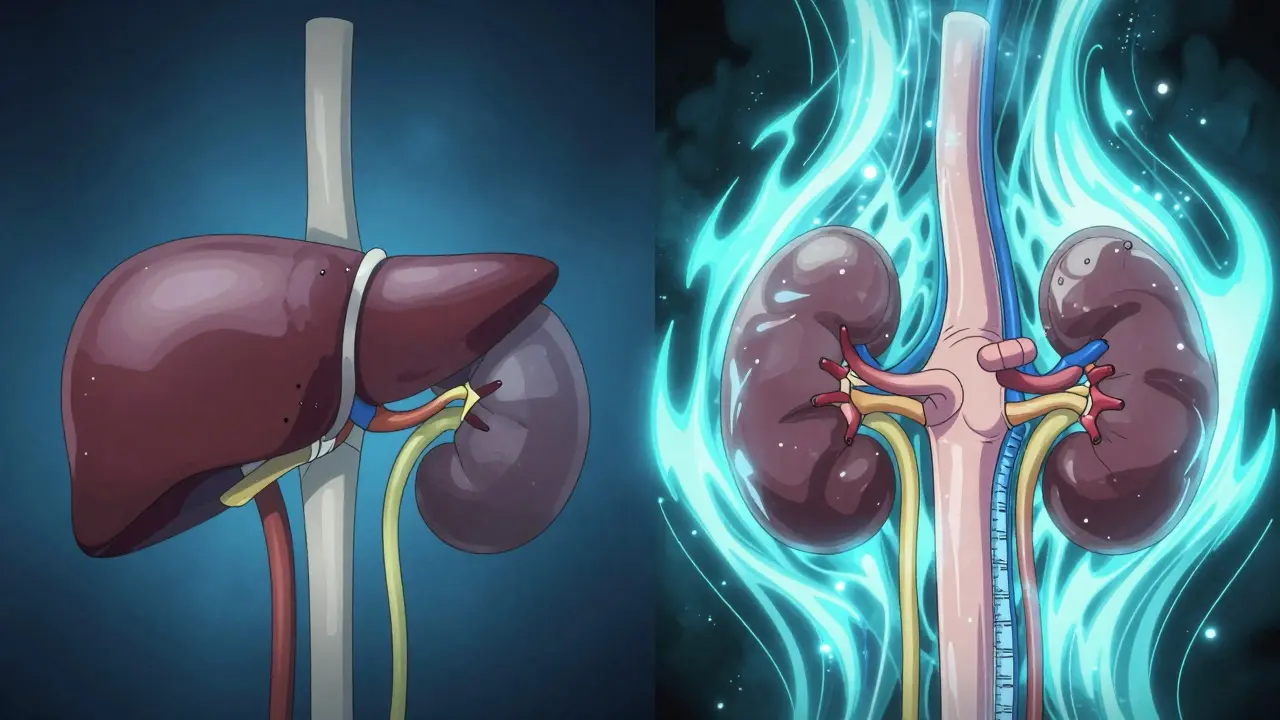
As we get older, our organs don't just "slow down"; they change in specific, measurable ways. These changes dictate how a drug is absorbed, distributed, and eventually kicked out of the system. If the drug stays in the body too long, it builds up, leading to toxicity and side effects.
Pharmacokinetics is the study of how the body affects a drug, including its absorption, distribution, metabolism, and excretion. In elderly patients, three main physiological shifts disrupt this process:
- Liver Function: Hepatic blood flow drops by roughly 30-40% between the ages of 25 and 75. Since the liver is the primary "processing plant" for many drugs, a slower flow means medications are metabolized more slowly.
- Kidney Efficiency: The glomerular filtration rate (the speed at which kidneys filter waste) typically drops by about 0.8 mL/min per year after age 40. When kidneys can't clear a drug efficiently, the medication lingers in the bloodstream.
- Body Composition: By age 70, body fat often increases to 35-40%, while lean muscle mass decreases. Since some drugs dissolve in fat and others in water, this shift changes where the drug goes and how long it stays there.
A clear example is seen with benzodiazepines like diazepam. In a young adult, these might leave the system in 24-48 hours. In an older adult, the half-life can stretch into several days. This leads to a "stacking" effect where the patient remains sedated long after the dose was taken, significantly increasing the risk of a hip fracture from a fall.
The Danger of Polypharmacy and Multimorbidity
It is rare for an older adult to take just one medication. Polypharmacy is the concurrent use of five or more medications by a single patient. When you combine this with multimorbidity-having multiple chronic conditions like hypertension, diabetes, and arthritis-the risk of a dangerous interaction skyrockets.
Drug-drug interactions often happen at the cytochrome P-450 enzyme level in the liver. If two drugs compete for the same enzyme, one may be blocked from breaking down, leading to toxic levels in the blood. Some combinations are particularly hazardous:
| Drug Combination | Primary Risk | Potential Outcome |
|---|---|---|
| Corticosteroids + NSAIDs | 15-fold increase in peptic ulcer risk | Internal gastrointestinal bleeding |
| Oral Anticoagulants + NSAIDs | Excessive blood thinning | Hemorrhagic peptic ulcer disease/hospitalization |
| SSRIs + Fall-Risk Patients | Increased dizziness/instability | Fractures and head injuries |
Identifying "Invisible" Side Effects
One of the biggest challenges in geriatric care is that side effects don't always look like a rash or nausea. In younger people, a drug reaction is often obvious. In older adults, the symptoms are frequently "non-specific," meaning they look like normal aging or a new illness.
Common "invisible" side effects include:
- Cognitive Shifts: Sudden confusion, memory loss, or hallucinations. For instance, the drug pentazocine is known to cause CNS side effects more frequently in seniors than other narcotics.
- Physical Instability: Dizziness and balance issues. About 20-30% of falls in the elderly are directly linked to medication side effects.
- General Malaise: Unexplained weight gain/loss or chronic fatigue.
Because these symptoms mimic dementia or general frailty, doctors may mistakenly prescribe *more* medication to treat the side effect of the *first* medication, creating a dangerous prescribing cascade.
Clinical Tools for Safer Prescribing
To prevent these errors, healthcare providers rely on standardized screening tools. The most famous is the Beers Criteria, which is a guideline developed by the American Geriatrics Society to identify potentially inappropriate medications for older adults.
The Beers Criteria flags drugs that generally provide little benefit compared to the risk they pose. For example, it warns against using glyburide (for diabetes) or certain high-risk NSAIDs like indomethacin, which has a high rate of central nervous system side effects. While not perfect-some critics argue it doesn't account enough for individual clinical context-it remains the gold standard for preventing avoidable harm.
Another emerging tool is the STOPP/START criteria. STOPP focuses on medications that should be stopped, while START identifies necessary treatments that are often omitted in older patients. Together, these tools help move medicine away from a "one size fits all" dose toward a more personalized approach.
Practical Steps for Patients and Caregivers
Since the economic impact of adverse drug reactions is massive-costing roughly $3.5 billion annually in US hospitalizations-prevention at home is critical. Many of these hospital visits are considered preventable with better management.
If you are managing medications for yourself or a loved one, follow these steps:
- Create a Master List: This must include everything. Not just prescriptions, but over-the-counter pain relievers, vitamins, and herbal supplements. many "natural" remedies can interfere with heart medications.
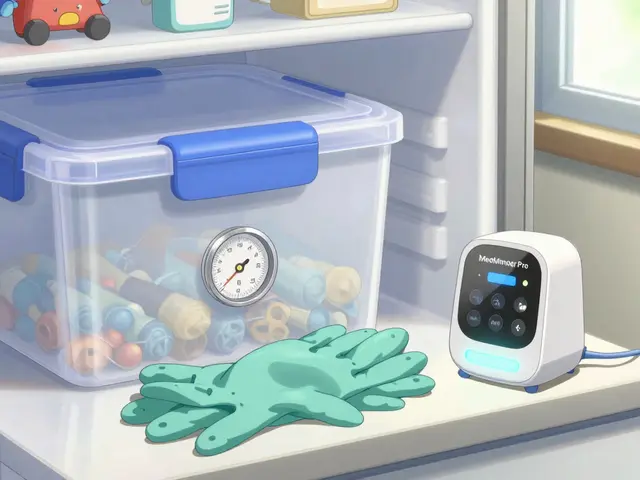
- The "Brown Bag" Review: Periodically put every single bottle you use in a bag and take them to your primary doctor or pharmacist. This allows the professional to see exactly what is being taken and at what dosage.
- Ask About "Deprescribing": Instead of asking "Do I still need this?", ask "Is this medication still providing a benefit that outweighs the risk of side effects?" Systematic deprescribing is a growing priority in geriatric medicine.
- Watch for Behavioral Changes: If a parent or spouse suddenly seems more confused or unsteady on their feet after a dosage change, report it immediately. Don't assume it's just "part of getting old."
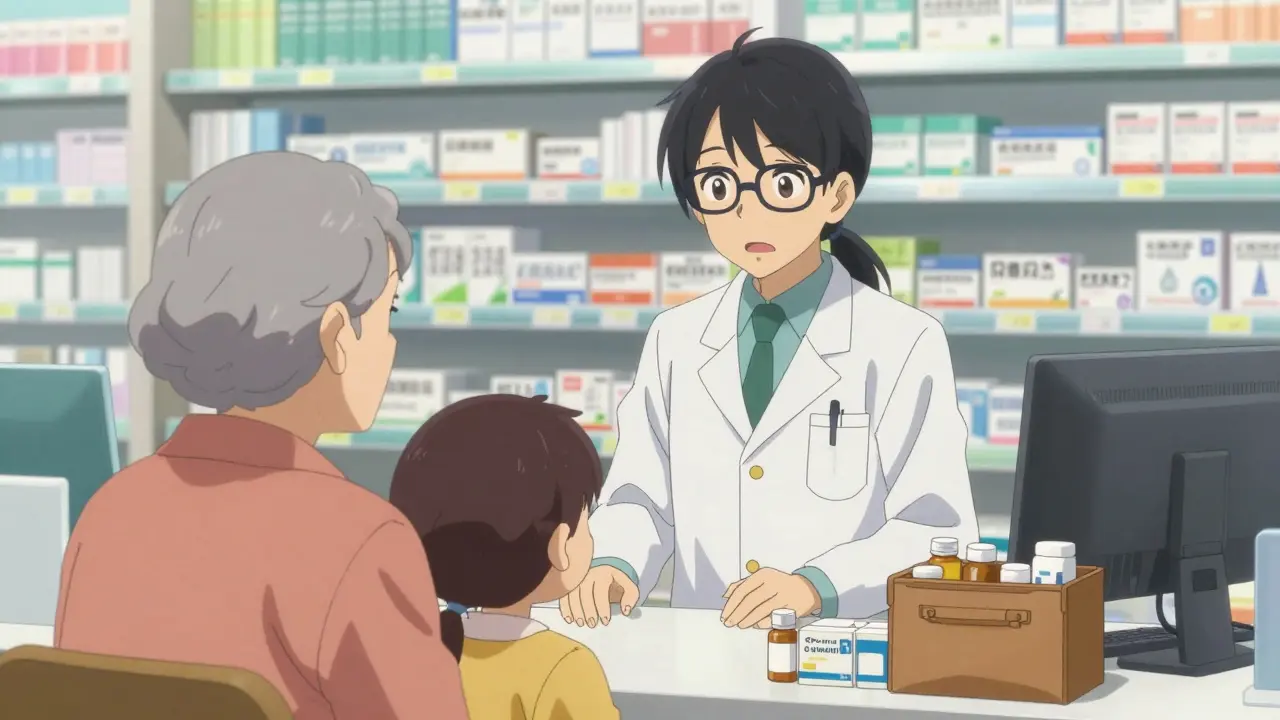
Collaborating with a pharmacist is also vital. Pharmacists are often the last line of defense in catching a drug-drug interaction before the patient leaves the pharmacy. They can suggest alternatives that are less likely to cause sedation or cognitive impairment.
Why are older adults more sensitive to medication?
Sensitivity is primarily due to physiological changes: reduced liver blood flow (30-40% decrease), a declining glomerular filtration rate in the kidneys, and an increase in body fat percentage. These changes slow down how drugs are broken down and cleared from the body, leading to higher concentrations of the drug in the blood.
What is polypharmacy and why is it dangerous?
Polypharmacy is the use of five or more medications concurrently. It is dangerous because it increases the likelihood of drug-drug interactions, where one medication alters the effect of another, potentially leading to toxicity or making a necessary drug ineffective.
What are some common "invisible" side effects in the elderly?
Unlike younger people who might get a rash, older adults often experience non-specific symptoms like sudden confusion, dizziness, memory loss, and an increased frequency of falls. These are often mistaken for dementia or general aging.
What is the Beers Criteria?
The Beers Criteria is a list developed by the American Geriatrics Society that identifies medications that are potentially inappropriate for older adults. It helps doctors avoid drugs that have a high risk of causing adverse reactions with minimal therapeutic benefit for seniors.
How can I prevent medication errors for an elderly parent?
Keep a comprehensive list of all medications and supplements, conduct regular "brown bag" reviews with a doctor, and monitor for behavioral or physical changes (like instability) that might indicate a side effect. Always communicate with a pharmacist to check for interactions.








Ajinkya Joshi
April 22, 2026 AT 13:18 PMOh, brilliant. Let's just pretend the pharmaceutical companies actually care about the 'stacking effect' instead of pushing for more lifelong prescriptions. I'm sure the 'gold standard' guidelines are just purely for our benefit and not to cover the doctors' assets. 🙄