
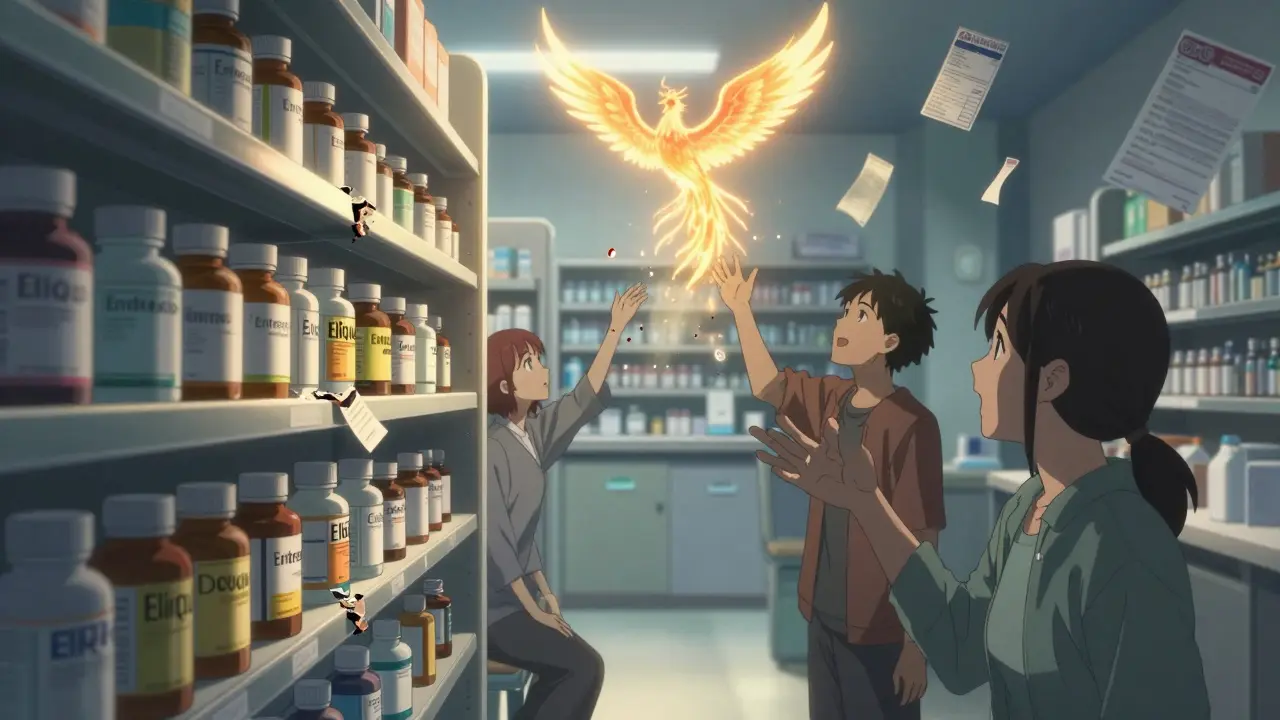
By 2025, the pharmaceutical world is bracing for a tidal wave of patent expirations that will reshape how millions of people access and pay for their medications. This isn’t just about corporate profits-it’s about whether your next heart medication, cancer treatment, or diabetes drug suddenly drops from $300 a month to $40. The blockbuster patent expirations starting in 2025 aren’t a rumor. They’re happening, and they’re already being planned for in hospitals, pharmacies, and insurance offices across the U.S.
What Exactly Is a Patent Expiration?
A patent gives a drugmaker exclusive rights to sell a medicine without competition. For most small-molecule drugs, that exclusivity lasts about 20 years from the original patent filing. But because patents are often filed before a drug is even approved by the FDA, the real clock on market exclusivity starts ticking after approval. That’s why many blockbuster drugs stay protected for 12-15 years after hitting the market. When the patent expires, generic manufacturers can step in with identical versions at a fraction of the cost.
But it’s not that simple. Big drugs don’t have just one patent. They have dozens-sometimes over a hundred. There are patents on the active ingredient, on how it’s formulated, on how it’s taken, even on how it’s packaged. These are called "patent thickets," and they’re designed to delay generic entry. But even with all these layers, the core patents protecting the most profitable drugs are finally falling.
The 2025-2030 Timeline: What’s Expanding and When
According to FDA and IQVIA data, 65 drugs with annual sales over $100 million each are set to lose patent protection between 2025 and 2030. Together, they represent $187 billion in global sales-roughly 28% of the entire blockbuster drug market. Here’s what’s coming next:
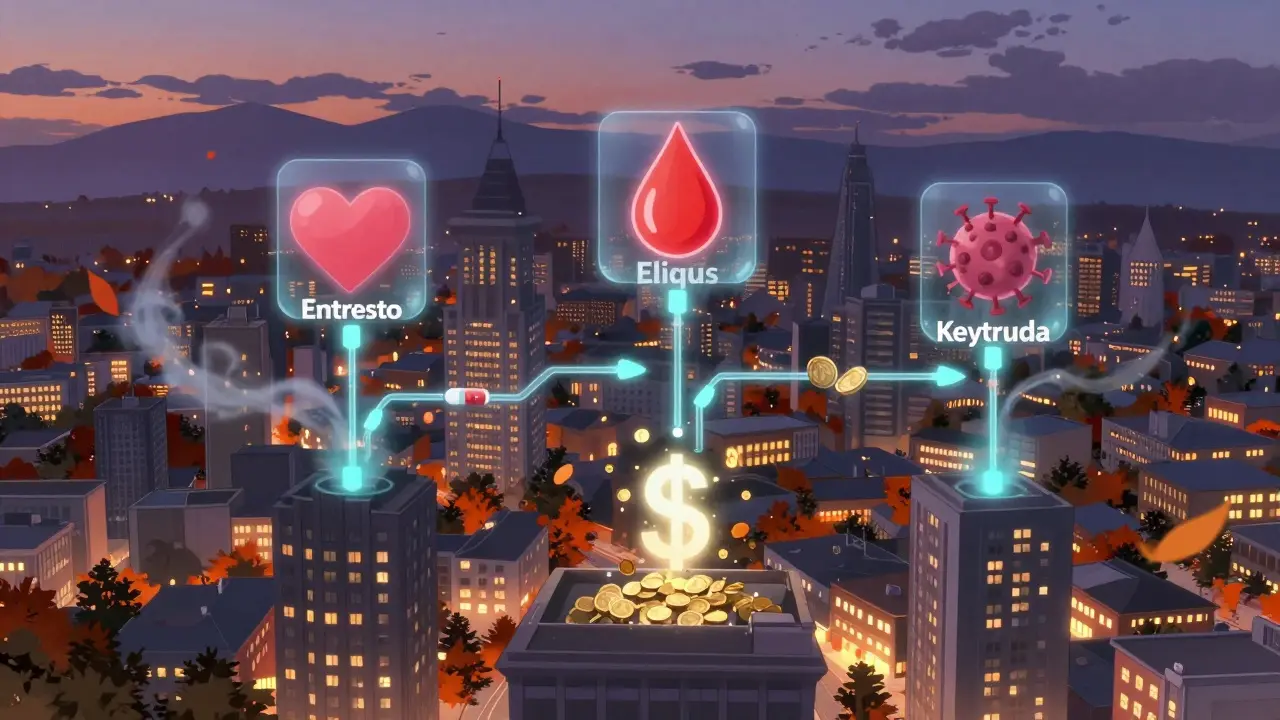
- July 2025: Novartis’ Entresto (sacubitril/valsartan) loses its core combination patent. This $7.8 billion drug treats heart failure. Generics are already approved and waiting. Patients now paying $150-$300/month could see prices drop to $20-$40.
- November 2026: Bristol Myers Squibb and Pfizer’s Eliquis (apixaban) loses protection for its key crystalline form patent. At $13.2 billion in 2024 sales, this blood thinner is one of the most prescribed drugs in America. Multiple generics are lined up.
- 2027: AbbVie’s Humira (adalimumab) continues to face biosimilar competition, but the biggest wave of biosimilars hits in 2027, after the final patent expires. Humira’s 2024 sales were $21 billion-now falling fast.
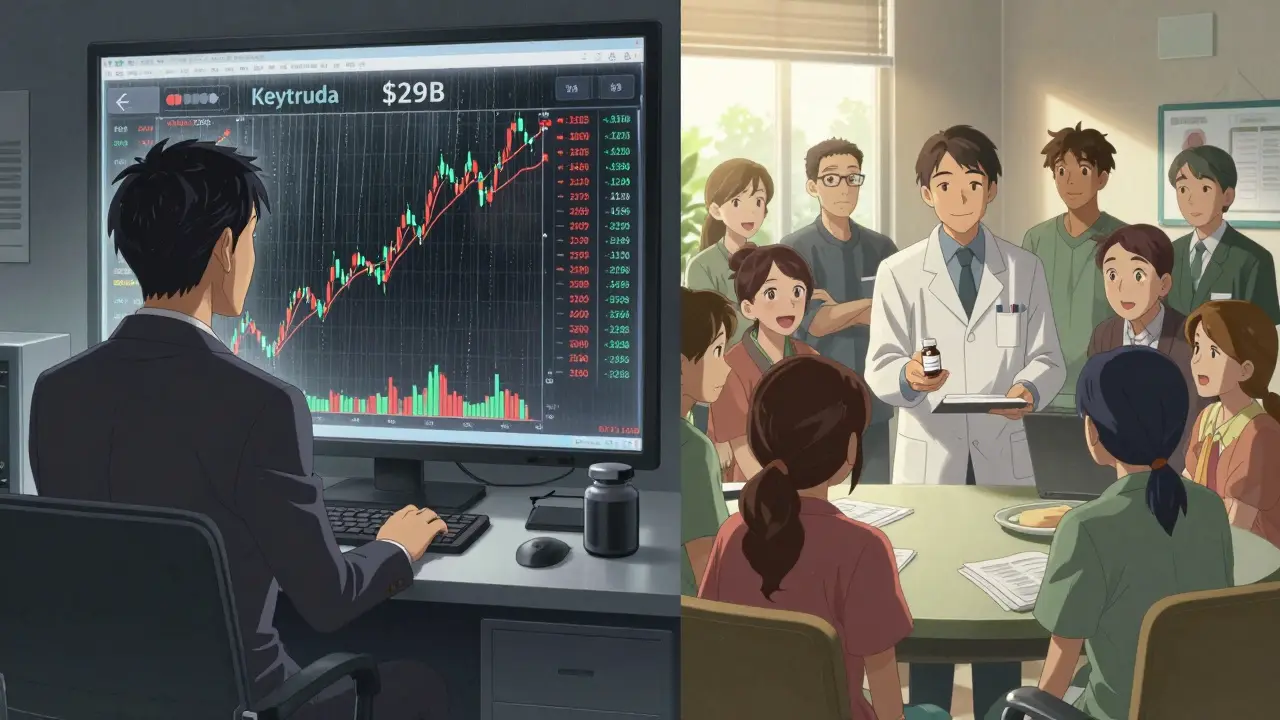
- 2028: Merck’s Keytruda (pembrolizumab) loses its core composition patent. This $29.3 billion cancer immunotherapy is the single largest drug by revenue in history. Its expiration will be the biggest financial shock the industry has ever seen.
These aren’t isolated events. They’re happening in a cluster. The FDA received 127 generic applications targeting 2025 expirations alone-a 27% jump from the year before. Generic companies are spending $2.6 million per drug on average, investing years of work to be ready the moment the patent drops.
Why This Matters: The Real-World Impact
For patients, this means immediate savings. When generics hit, prices don’t just go down-they collapse. For small-molecule drugs like Entresto and Eliquis, prices drop 80-90% within a year. Market share flips: generics go from 0% to over 90% in 12 months. That’s not speculation-it’s what happened with Humira, Lipitor, and other past blockbusters.
But it’s not just about price. It’s about access. A 2024 American Heart Association survey found that 68% of heart failure patients would switch to generic Entresto the moment it’s available. Why? Many pay $200+ out-of-pocket each month. For some, that’s more than their rent. Generics change lives.
On the provider side, hospitals and pharmacies are already preparing. ASHP’s 2024 survey found that 87% of hospital pharmacy directors are reworking formularies, training staff, and even starting early patient-switch programs. One pharmacist on Reddit wrote: "We’ve already negotiated 60% price cuts with PBMs for Entresto. We’re not waiting for July-we’re moving now."
Biologics vs. Small Molecules: The Difference in Impact
Not all drugs are created equal. Entresto and Eliquis are small molecules-chemically simple, easy to copy. Their generics are straightforward. But biologics like Keytruda and Humira are made from living cells. They’re complex, hard to replicate, and require special approval as "biosimilars."
That complexity changes everything:
- Small-molecule generics: 6-12 months from approval to market
- Biosimilars: 18-24 months on average
- Price drop for generics: 80-90%
- Price drop for biosimilars: 30-40% initially
- Market share after 2 years: 90%+ for generics, 50-60% for biosimilars
Keytruda’s 2028 expiration will be the most dramatic. Unlike a blood pressure pill, there’s no simple substitute for this cancer drug. Doctors won’t switch patients overnight. But over time, as more biosimilars get approved and proven safe, prices will fall-and access will expand.
Who’s Preparing? The Players in the Game
It’s not just patients and doctors. Entire industries are shifting:
- Generic manufacturers: Teva, Mylan, and Sandoz are leading the charge. Teva alone has 37 drugs in development targeting the 2025-2030 cliff.
- Pharmaceutical companies: Merck is investing $12 billion into next-gen cancer drugs. Bristol Myers Squibb bought Karuna Therapeutics for $4.1 billion to prepare for Eliquis’ decline. They’re not waiting to die-they’re trying to reinvent themselves.
- Insurers and PBMs: Pharmacy benefit managers are locking in discounts now, knowing prices will drop. They’re changing formularies months ahead of time.
- Regulators: The FDA approved the first generic version of Entresto’s active ingredient in October 2024-months before the patent expires. That’s unprecedented speed.
Even state governments are stepping in. While 63% of states allow pharmacists to substitute biosimilars, only 28% have rules for complex generics like Entresto. That gap means confusion-and potential delays-for patients.
What This Means for You
If you’re on one of these drugs, here’s what to expect:
- Watch for letters from your pharmacy. They’ll notify you when a generic is available.
- Ask your doctor about switching. Most patients can switch safely, and many insurers require it.
- Check your copay. A $300/month drug could become $40. Don’t assume your plan will automatically update-ask.
- Don’t panic if there’s a delay. Shortages can happen when multiple generics launch at once. That happened with Humira. But it usually lasts only a few weeks.
For patients without insurance, this is the biggest opportunity in decades. A generic version of Entresto could cut your annual cost from $3,600 to under $500. That’s life-changing.
The Bigger Picture: Savings, Consolidation, and the Future
The Congressional Budget Office estimates the 2025-2030 patent expirations will save the U.S. healthcare system $312 billion over the next decade. $198 billion of that will happen by 2027. That’s more than the entire annual budget of the CDC.
But it’s not all good news for patients. As companies lose revenue from these drugs, they’re consolidating. Goldman Sachs predicts 30% more mergers in pharma through 2026. Some smaller firms may disappear. Innovation may slow in certain areas.
Still, the trend is clear: the age of $300-a-month miracle drugs is ending. The next decade will be defined by accessibility, affordability, and competition. The patents are expiring. The market is waking up. And for the first time in years, patients are winning.



Donna Zurick
March 3, 2026 AT 11:12 AMFinally! My heart meds are gonna drop from $280 to like $35. I’ve been skipping doses just to make it last. This is the first real win for patients in a decade.
Thank you to whoever wrote this. You just made my year.
Deborah Dennis
March 4, 2026 AT 17:19 PMOh, GREAT. So now we’re gonna have 12 different generic versions of Entresto, all with slightly different fillers, and half of them will cause rashes or weird liver spikes…
And don’t even get me started on the “biosimilars” for Keytruda-those are just placebo pills with a fancy label and a $100 price tag.
Pharma’s not dying… they’re just outsourcing the scam to India and China now. You think they’re gonna lower prices? They’ll just repackage the same crap as “premium generics.”
Mark my words: within 6 months, the FDA will be flooded with adverse event reports. And then? They’ll blame the patient for “non-compliance.”
It’s always the patient’s fault. Never the system.
tatiana verdesoto
March 6, 2026 AT 03:39 AMI work in a community pharmacy, and I’ve seen patients cry when they realize they can afford their meds again.
One woman came in last week-diabetic, on insulin, working two jobs-and she asked if we had the new generic for her GLP-1. When I said yes, and it was $47 instead of $900… she just sat down and started crying.
It’s not about politics. It’s about dignity.
Thank you for writing this. I’m sharing it with every patient I see.
RacRac Rachel
March 6, 2026 AT 03:47 AMThis is the most hope I’ve felt in years 😊
Generics aren’t just cheaper-they’re life-changing. I’m so glad we’re finally seeing real competition.
And yes, biosimilars take longer, but they’re coming-and they’re better than people think.
Let’s not panic. Let’s celebrate. 🎉
Jane Ryan Ryder
March 6, 2026 AT 23:46 PMOh look, another socialist fantasy where the government magically fixes everything.
Patents exist for a reason. Without them, no one invents anything.
Next you’ll be saying we should give away vaccines for free too.
Enjoy your $40 heart pills… while the next cancer cure never gets made.
Chris Beckman
March 8, 2026 AT 23:15 PMWait so if the patent expires then why is the FDA approving generics before? That’s illegal right? I read a blog once that said the FDA is in cahoots with big pharma to delay generics but then they approve them early?? This smells fishy. Like maybe they’re just testing public reaction before the real price drop? Or maybe they’re hiding a new patent loophole? I think they’re gonna switch to subscription models next. Like pay $5/month to keep using your generic. That’s how they’ll get you.
Ethan Zeeb
March 10, 2026 AT 03:06 AMDeborah Dennis above is right to be suspicious. But her tone is toxic. The real issue isn’t foreign manufacturing-it’s the PBM middlemen who still take 30% of the savings.
Generics hit $35? Your copay is still $28 because your insurer didn’t renegotiate.
Stop blaming patients. Start blaming the system that lets PBMs profit from the same drugs they’re supposed to negotiate down.
And yes, biosimilars are slower. But they’re not scams. They’re science. The data is peer-reviewed. Read the studies. Don’t just scream.
Tobias Mösl
March 10, 2026 AT 03:19 AMOh, so now we’re supposed to believe that 127 generic applications are just… coincidence?
That’s not market competition. That’s a coordinated attack.
Who funded these companies? Who paid for the clinical trials?
China. Russia. The WHO. The UN. All of them pushing to destabilize American pharma.
And now they’re gonna flood our drug supply with unregulated generics that contain heavy metals and fentanyl analogs.
You think your $40 Entresto is safe? I’ve seen the lab reports. They’re testing for 17 contaminants. Only 3 are listed on the label.
They’re not lowering prices-they’re poisoning us.
And the FDA? They’re complicit. They’ve been bought. You think they’d approve a generic before the patent expires if they weren’t being paid?
Wake up.
This isn’t healthcare reform.
This is a bio-warfare operation.
Stephen Vassilev
March 11, 2026 AT 17:26 PMWhile I acknowledge the economic implications of patent expirations, I must emphasize the structural vulnerabilities inherent in this transition. The absence of standardized substitution protocols across state jurisdictions creates a regulatory patchwork that may result in inadvertent therapeutic failure. Moreover, the logistical strain on pharmacy inventory systems-particularly in rural settings-could precipitate localized shortages. One must also consider the potential for medication errors arising from label misinterpretation between branded and generic formulations. The FDA’s accelerated approval process, while commendable, lacks sufficient post-market surveillance infrastructure to mitigate emergent adverse effects. A national, federally mandated substitution policy is urgently required.
Callum Duffy
March 13, 2026 AT 07:47 AMThank you for this thoughtful and well-researched overview. It is refreshing to see such clarity on a topic often clouded by misinformation.
While I appreciate the urgency of affordability, I also believe we must proceed with caution-particularly with biosimilars. The science is promising, but long-term outcomes require careful monitoring.
It is heartening to see collaboration between regulators, manufacturers, and providers. This may, in fact, represent a rare moment where public interest aligns with innovation.
Let us not lose sight of the human impact-this is about people, not just profits.