Dosing Errors: How Mistakes Happen and How to Stop Them
When a patient gets the wrong dose of medicine, it’s not just a mistake—it’s a dosing error, an incorrect amount of medication given to a patient, leading to harm or potential death. These aren’t rare accidents. Thousands happen every year because of simple, preventable slips: a handwritten script misread, a pill bottle confused with another, or a child’s liquid antibiotic stored wrong. The truth? Most dosing errors aren’t about carelessness—they’re about systems that haven’t caught up to how complex modern medicine has become.
One big culprit is look-alike, sound-alike (LASA) drugs, medications with names or packaging so similar they’re easily mixed up. Think of Hydralazine and Hydroxyzine—one lowers blood pressure, the other treats allergies. Get them confused, and you could send someone into a dangerous drop in blood pressure. Then there’s pharmacy safety, the set of practices and technologies designed to prevent medication mistakes in clinical and retail settings. Simple steps like using two patient identifiers—name and date of birth—alongside barcode scanning cut errors by over 50%. But not every pharmacy does it. And when they don’t, the risk stays high.
It’s not just about the pharmacy. Parents giving kids antibiotics forget to refrigerate them. Seniors juggling five pills miss a dose or double up. Even doctors can misread decimal points—writing 0.5 mg instead of 5 mg. These aren’t edge cases. They’re everyday risks built into how we hand out medicine. And while digital tools like electronic prescriptions help, they don’t fix everything. If a nurse types the wrong number, or a label gets printed blurry, the error still happens.
What you’ll find in these posts isn’t theory. It’s real stories and clear fixes. You’ll see how dosing errors tie into drug shortages, why some generic pills work differently than others, and how a single mislabeled bottle can lead to a hospital visit. You’ll learn how to spot dangerous drug names, why two patient identifiers matter more than you think, and what to ask your pharmacist before you walk out the door. This isn’t about blaming anyone. It’s about giving you the facts so you can protect yourself, your kids, or your aging parents from a mistake that shouldn’t happen in the first place.
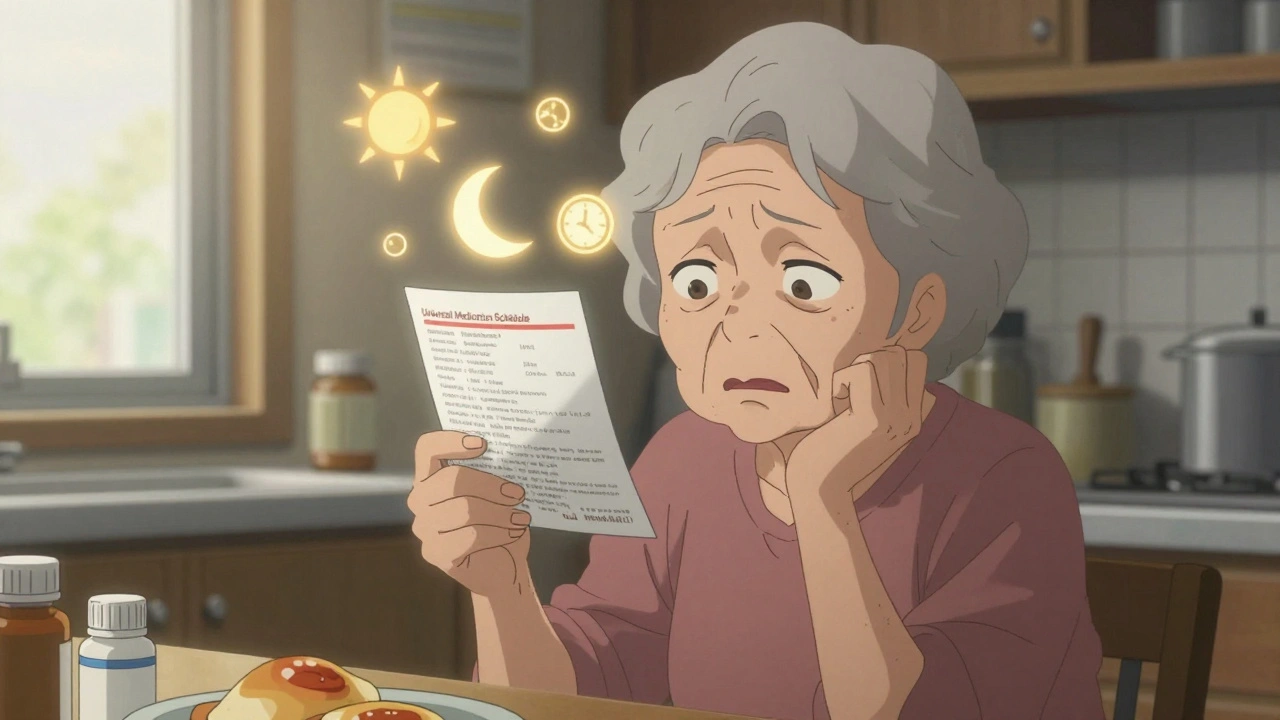
Health Literacy Strategies: Understanding Medication Labels and Dosing
Learn how to read medication labels correctly and avoid dangerous dosing errors using proven health literacy strategies. Simple changes like using morning/noon/evening/bedtime instructions and pictograms can save lives.

Recent Posts

Home Hemodialysis: Schedules, Training, and Outcomes Explained
January 26, 2026